
Nose and sinuses · Procedure
Nose bone surgery: straightening a deviated septum
Septoplasty in KPHB, Hyderabad
A bent wall between the nostrils (deviated septum) blocking one or both sides.
Start with the symptom: A blocked nose
- Operation time
- 60 mins to 90 mins
- Anaesthetic
- General anaesthesia
- Hospital stay
- One day procedure
- Rest at home
- About a week
Operation time: from going to sleep to waking up. The surgery itself is shorter.
Septoplasty is planned at Sinocare ENT Hospital, KPHB Colony, Kukatpally, once a camera test of the nose (nasal endoscopy) shows the cause. The cause must be the septum: the wall of cartilage and bone that divides the two sides of the nose. When it is bent, one side is narrowed, and less air flows through it. Septoplasty straightens or removes the bent part from inside the nose. The outside shape of the nose does not change, and there are no cuts on the face.
What the operation changes
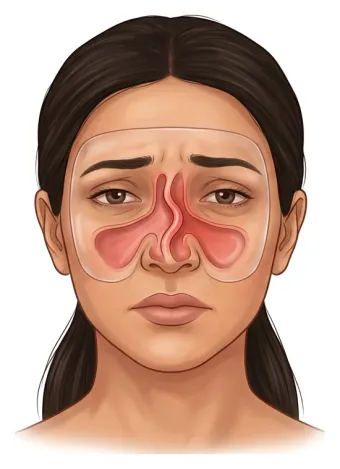
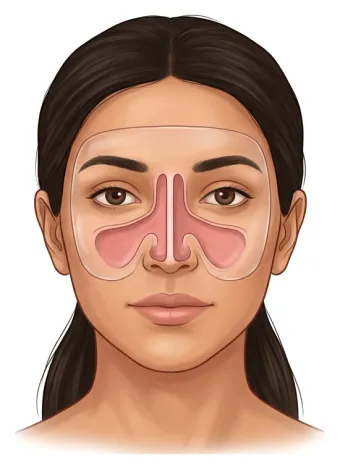
How Dr. Santosh does it
Method
Endoscopic, entirely through the nostrils
Cuts and stitches
No cuts on the face. Fine stitches inside the nose, with soft splints in place of heavy packing
What usually happens
The operation is done at Sinocare ENT Hospital while you are fully asleep (general anaesthetic). It is done through the nostrils and takes thirty to sixty minutes. You come in the morning, and most people go home the same day. Soft splints sit inside the nose, not heavy packing. The splints come out at the hospital after about a week, which is also the first check-up. Desk work at about a week, and the gym at three to four weeks. The final airway comes at six to twelve weeks, once the lining settles.
When this is offered
- One side of the nose blocked all the time, or a block that swaps sides when you lie down
- Breathing through the mouth at night, waking with a dry throat, snoring
- Sprays and allergy tablets (antihistamines) that no longer make a difference, or never did
- Repeated sinus infections on the blocked side
- Nosebleeds from the bent edge
- A blockage that dates from an injury, sometimes years earlier
A bent septum on examination is not, by itself, a reason to operate. Almost everybody’s septum is bent to some degree. The question is whether your symptoms come from it. The most common mistake with this operation is doing it on someone whose real problem was allergy all along. That is why allergy is checked and treated first.
What the operation involves
It is done entirely through the nostrils. There are no cuts on the face, and no bruising or swelling on the outside. The lining is lifted off the septum. The bent cartilage and bone are straightened, reshaped or removed. Then the lining is laid back down and held with fine stitches and soft splints. The shelves on the side walls of the nose (turbinates) are often reduced in the same sitting. On the wider side, the shelf has usually grown to fill the space. If it is left alone, it will keep that side blocked.
Thirty to sixty minutes, while you are fully asleep. Soft splints are used in place of heavy packing. This means you can breathe a little through the nose from the start, and taking them out is quick.
Before the operation
- A camera test of the nose at the hospital. A rigid or bendy camera shows the whole septum, the shelves and the sinus openings. A torch shows only the first two centimetres.
- A CT of the sinuses where sinus disease may also be present.
- An allergy check and a proper trial of medicine for anyone whose problem looks more like allergy than structure. Steroid nose sprays only work if used the right way for weeks. You are shown how to use them at the first visit.
- Blood thinners, aspirin and some supplements are stopped only on the advice of the doctor who prescribed them.
Recovery after septoplasty
First 48 hours. The nose is blocked. With splints in, you breathe mostly through the mouth. Some mild oozing, a heaviness like a headache, and broken sleep. Keep your head up on two pillows. Ice over the bridge of the nose helps.
Day 5 to 7. The splints come out at the hospital. It is uncomfortable for about a minute. Breathing gets better the same day. Then it gets worse again for a week, as the lining swells in response.
Weeks two to four. Crusts form inside the nose. They are managed with salt water (saline) rinses several times a day. Saline is the part that shortens recovery most, and you are shown it before you go home. Most people are back at a desk job at about a week, and back to the gym at three to four weeks.
Six to twelve weeks. The lining settles fully, and the airway you have then is the one you will keep. Judging the result before then is judging swelling.
What we watch for
- The blockage is not fully cleared. Sometimes part of the problem was allergy, or the shelves. Then straightening the septum alone leaves that part behind. This is the most common letdown after this operation. The checks beforehand prevent it: allergy is treated first, and the shelves are reduced in the same sitting where they add to the block.
- Bleeding. Some ooze is normal for a day or two. Heavy bleeding is uncommon. If it happens, it is managed with a light pack.
- A hole through the septum (perforation). Uncommon. It can cause whistling, crusting and nosebleeds. Lifting the lining with care on both sides is what keeps it rare. Repairing one is harder than the first operation, which is why care is taken here.
- A change in the shape of the nose. Rare. It matters more when a lot of cartilage has to be removed, or the bend involves the front of the septum. That is why enough support is always left in place.
- Numbness of the upper front teeth or the tip of the nose, usually temporary.
- A weaker sense of smell, usually temporary.
- Infection, uncommon, treated with antibiotics.
- The bend coming back over years, above all in a septum that was very bent to start with.
Insurance and admission
Insurance. Insurance is accepted, both cashless and reimbursement, subject to the terms of your policy. Bring your card. The insurance approval (pre-authorisation) is handled for you.
Check your waiting period before you book. Many Indian health policies list this condition among “specific diseases” that carry a waiting period. It is commonly around two years from the start of the policy, even though the surgery itself is covered. Ask your insurer or TPA about the waiting period for this condition before you fix a date.
Booking. WhatsApp is the fastest way. Send your reports as photographs. You will be told whether you need to be seen at the hospital in KPHB, and what to bring. Bring any CT of the sinuses, and any earlier endoscopy or operation notes. Also bring the medicines you take now, and your insurance card.
Questions patients ask
Will my nose look different?
No. Septoplasty works on the wall inside. If you want the outside shape changed too, that is a septorhinoplasty. It is a different conversation, and it is planned differently.
Will I have black eyes?
Not from septoplasty alone. Bruising comes with operations on the nose bones.
Is the packing as bad as people say?
Taking packing out has a bad name, and it is largely earned. That is why soft splints are used here instead. They are gentler to live with, and quick to remove.
How long until I breathe properly?
Give it six weeks before you form a view. The first week is worse than before surgery. That is normal, and it catches people out.
Will this help my snoring?
It may reduce it. Snoring has several causes, and the nose is only one of them. If you stop breathing in your sleep, or wake unrefreshed, get a sleep study first. Do not assume the septum is the answer. See sleep apnoea surgery.
Is this the nose bone operation?
Yes. Septoplasty is what most people call the nose bone or DNS operation. It straightens the wall inside the nose, and the outside shape does not change.
Not sure you need this operation?
A consultation is allowed to end with "not yet".
WhatsApp us at +91 96765 24455