
Ear · Procedure
Eardrum repair: closing a hole in the eardrum
Tympanoplasty in KPHB, Hyderabad
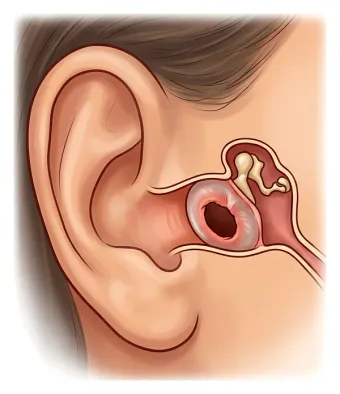
A hole in the eardrum that has not healed.
Start with the symptom: An ear that discharges, and dulled hearing

- Operation time
- 90 mins to 2 hours
- Anaesthetic
- General anaesthesia; local with sedation for some adults
- Hospital stay
- One day procedure
- Rest at home
- About a week
Operation time: from going to sleep to waking up. The surgery itself is shorter.
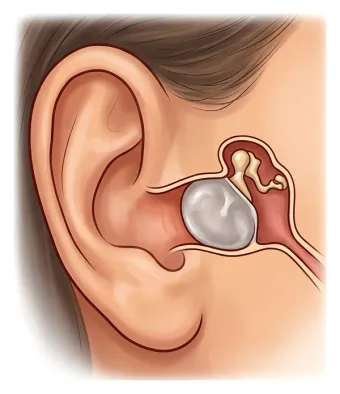
Tympanoplasty is planned at Sinocare ENT Hospital, KPHB Colony, Kukatpally, from a look at the ear under the microscope and the hearing test. Tympanoplasty closes a hole in the eardrum (perforation). It uses a patch (graft) taken from your own body. This is usually a thin sheet of tissue from the covering of a chewing muscle above the ear (the temporalis muscle). Or it is cartilage from the ear itself. Sometimes the small hearing bones behind the eardrum have been eaten away. Then they are repaired or rebuilt in the same operation. The aim is a dry, safe ear first, and better hearing second.
What the operation changes
How Dr. Santosh does it
Method
Microscope or endoscope, usually through the ear canal
What usually happens
It is done at Sinocare ENT Hospital, usually while you are fully asleep (general anaesthetic). Some adults have it awake, with numbing medicine (local anaesthetic) and a sleepy medicine (sedation). It takes about an hour to ninety minutes. Most patients go home the same day, with a dressing in the ear canal. The dressing comes out at the hospital in the second or third week. Desk work starts again in a few days to a week. Water, flying and heavy effort wait until you are cleared. Hearing is properly judged with a repeat hearing test at eight to twelve weeks.
When this is offered
A hole in the eardrum that has stayed open for more than three months will not close on its own. Drops will not close it either. Surgery is discussed when you have:
- An ear that discharges every time water gets in, or every time you catch a cold
- Hearing that has dulled on that side. The hearing test usually shows sound is not being carried through (a conductive loss).
- A hole seen on examination that has not healed after a fair trial of treatment
- A wish to swim, dive, or work somewhere dusty without an open ear
A dry hole in an ear that hears well and never gives trouble does not have to be operated on. That is a real option, and you are told when it applies to you.
What the operation involves
The patch is placed under or over the edges of the hole. The eardrum then heals across it, the way skin heals across a graft. The way in is usually through the ear canal, with a camera (endoscope) or a microscope, and no visible cut. Sometimes the hole sits where the canal will not give a clear view. Then a small cut tucked behind the ear is used. That scar settles into the crease and cannot be seen from the front.
Most tympanoplasties take around an hour to ninety minutes. Adults can have it awake, with numbing medicine and a sleepy medicine, or fully asleep. Children have it fully asleep.
Before the operation
- A hearing test (audiogram). It separates hearing loss from the eardrum and the bones (conductive loss) from loss in the nerve. This decides whether surgery will help, and how much it can help.
- The ear must be dry. An ear that is still discharging is treated first, sometimes for weeks, with drops and cleaning. Placing a patch on a wet ear invites failure.
- A CT of the ear bone (temporal bone) in two cases. One is when cholesteatoma (a growth of skin trapped in the wrong place) is suspected. The other is when the hearing loss is larger than the hole explains.
- Stop blood thinners only on the advice of the doctor who prescribed them.
Recovery after tympanoplasty
First week. A dressing or pack sits in the ear canal. Expect blockage, a hollow sound, mild pain, and some clear or blood-tinged staining on the outer dressing. The ear must stay dry.
Weeks two to three. The pack comes out at the follow-up visit. Hearing at this point is often no better than before surgery, and sometimes worse. That is because the canal is still swollen and the patch is still thick. This is expected. It is not a sign that the operation has failed.
Weeks four to eight. The patch slowly becomes like an eardrum. Hearing is checked again with a repeat hearing test at around eight to twelve weeks. That is the honest point to judge the result.
Throughout. No blowing your nose with the nose pinched shut, and no straining. No flying for as long as advised, and no water in the ear until you are cleared. Ordinary desk work starts again in a few days. Gym, swimming and contact sport wait.
What we watch for
- The patch does not take. Some holes open again. This is more common in ears that were discharging beforehand, in large holes, and in smokers. Operating only on a dry ear is the main guard. A repeat operation is possible.
- Hearing does not get better, or, rarely, gets worse. Closing the eardrum reliably stops the discharge. How much hearing comes back depends on the state of the hearing bones. Sometimes that can only be fully seen once the ear is open. The hearing test beforehand sets a fair expectation.
- A change in taste. A nerve carrying taste from the front of the tongue runs across the middle ear. Stretching it gives a metal taste or numbness on that side of the tongue. It usually settles over weeks to months.
- Ringing in the ear (tinnitus) and dizziness. Common for a short time after surgery, uncommon as a lasting problem.
- Infection of the patch or the wound, treated with antibiotics.
- Severe hearing loss on the operated side. Rare. It is the reason a well-hearing ear is never operated on lightly.
Insurance and admission
Insurance. Insurance is accepted, both cashless and reimbursement, subject to the terms of your policy. Bring your card. The insurance approval (pre-authorisation) is handled for you.
Booking. WhatsApp is the fastest way. Send your reports as photographs. You will be told whether you need to be seen at the hospital in KPHB, and what to bring. Bring your hearing test, and the CT if one has been done. Also bring the medicines you take now, and your insurance card.
Questions patients ask
Will my hearing come back to normal?
It depends on why it dropped. If the loss is only because of the hole, closing the hole usually brings back most of it. If the hearing bones are eaten away, or the nerve is affected, the limit is lower. The hearing test before surgery tells us which case you are in.
Can I have both ears done together?
No. One ear at a time. That way you always have a hearing ear, and a complication never involves both sides.
What happens if I leave it alone?
Repeated infection, staining and smell, and hearing that slowly gets worse. In some ears, cholesteatoma develops. That needs a more serious operation than the one you are avoiding. A small, dry, steady hole in a good-hearing ear can reasonably be watched.
Is the surgery painful?
Ear surgery hurts less than most patients expect. The discomfort is more blockage and pressure than pain, and simple painkillers usually cover it.
How soon can I fly?
Usually after a few weeks. You are given a date at the follow-up, once the patch has taken.
Is this the operation for a hole in the ear drum?
Yes. Tympanoplasty closes the hole with a patch of your own tissue. Where the small hearing bones behind the eardrum have been eaten away, they are repaired in the same operation.
Not sure you need this operation?
A consultation is allowed to end with "not yet".
WhatsApp us at +91 96765 24455