
Nose and sinuses
My nose keeps bleeding
Nosebleed treatment in KPHB, Hyderabad
Most nosebleeds come from one small vessel at the front of the nose, and that is easily treated.
Does this sound like you?
- Bleeding from one nostril, often the same one
- Bleeds that start on their own, or with nose-blowing or picking
- Worse in dry weather or with a cold
- Bleeds in a child
- Bleeds on blood-thinning medicines
Nosebleed treatment at Sinocare ENT Hospital, KPHB Colony, Kukatpally, starts with finding the point that bleeds. It usually ends with that point sealed at the same visit. Nosebleeds are common, alarming, and almost always minor. Most come from a patch of small vessels at the front of the wall between the nostrils (the septum). That area dries, cracks and bleeds with a cold, in dry weather, and with a fingernail. Nosebleeds stop with the right first aid. A bleeding point that keeps reopening is sealed at the hospital in a few minutes. The rare bleeds that matter are described lower down, and those are seen the same day.
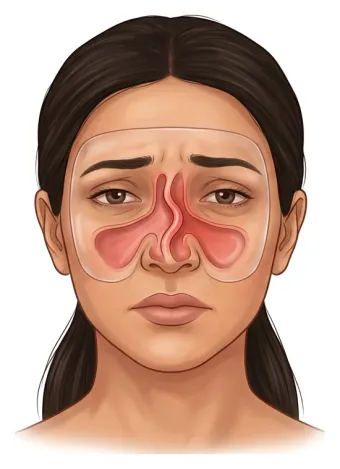
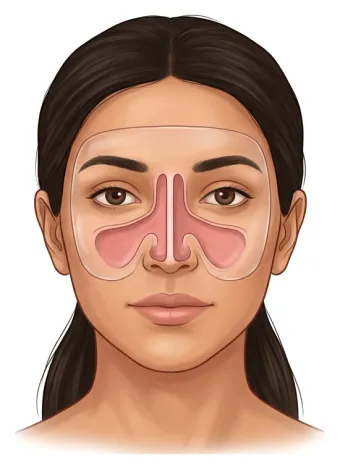
What it looks like inside
What it usually is
The front of the septum carries a cluster of small vessels close to the surface. Many things crack the lining over that cluster, and it bleeds. Dry air, a cold, allergy, nose-picking and hard blowing all do it. So does a bent septum that dries one side more than the other. In older adults, on blood-thinning medicines or with high blood pressure, bleeds can come from further back and be heavier. Sometimes an adult has bleeds from one side only that keep coming back, with a blocked nose on the same side. Then the inside of the nose is examined for a cause.
What happens at the first visit
The nose is examined with a thin camera (an endoscope) to find where the bleeding comes from. In most people a visible point is found at the front of the septum. It is sealed there and then, at the hospital in KPHB, with a chemical stick (cautery). Numbing medicine (local anaesthetic) goes on first. It takes a minute and is uncomfortable rather than painful. Blood pressure is checked. Where the bleeds have been heavy or frequent, a blood test for clotting is arranged, and medicines are reviewed.
How nosebleeds are treated, and what is tried first
First aid, done properly, stops nearly every nosebleed:
- Sit up and lean forward. Not back: leaning back sends blood down the throat.
- Pinch the soft part of the nose, below the bone, firmly, for ten minutes by the clock. Do not let go to check.
- Something cold on the bridge of the nose or the back of the neck.
- Afterwards, no blowing, no picking, no hot drinks, no bending for the rest of the day.
To prevent the next one, put a smear of petroleum jelly or an antiseptic nasal cream on the front of the septum. Do it twice a day for two weeks. Use a saline spray in dry weather, and treat the allergy or the cold that is drying the lining.
When to come in sooner
Go to an emergency department, or come the same day, for:
- A bleed that has not stopped after twenty minutes of proper pressure
- A heavy bleed, or blood running down the throat that you cannot stop
- A bleed after a head or face injury
- Bleeds on blood thinners that are becoming frequent or heavy
- Any bleed with a feeling of faintness
If an operation is ever needed
Rarely. Cautery at the hospital settles most bleeds that keep coming back. A bleed from further back that will not settle is packed, and occasionally a vessel is sealed under anaesthetic. A bent septum can dry and crack one side of the nose again and again. Straightening it is then a one day procedure, but it is the exception rather than the rule.
Questions patients ask
Should I tilt my head back?
No. Forward, and pinch. Tilting back does not stop the bleed; it hides it.
Why does my child keep having nosebleeds?
Fingers, dry air, and colds, in that order. A cream on the front of the septum for two weeks, and short fingernails, prevent most of them. Children’s nosebleeds are very rarely a sign of anything else.
Is a nosebleed a sign of high blood pressure?
It can go with high blood pressure, particularly in older adults, and blood pressure is checked. Most nosebleeds in younger people have nothing to do with it.
Does cautery hurt?
It stings for a minute under the numbing medicine, and the nose feels dry for a few days. It is done in the chair and you go home straight after.
Can nose bleeding be stopped for good?
A bleeding point that keeps reopening is sealed with cautery at the hospital, and that settles most of them. Dry weather, colds and fingernails can open a new one. That is why the first aid and the cream still matter.